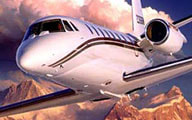

The allure of private plane travel has captivated many, offering a level of convenience and comfort that commercial airlines cannot match. However, the costs associated with flying privately can be substantial and complex. This article delves into the various factors that contribute to the overall expense of private flight, helping prospective travelers understand what they might expect to pay for this luxurious mode of transportation.
The Basics of Private Flight Costs
When considering the cost of private plane flights, it is essential to recognize that pricing can vary widely based on several factors, including the type of aircraft, distance traveled, and additional services required. Generally, the expenses can be categorized into fixed and variable costs.
- Fixed Costs: These are costs that do not change regardless of how much the plane is used. They include the purchase price of the aircraft, insurance, hangar fees, and maintenance. For instance, the price of a new private jet can range from $3 million for a light jet to over $90 million for a large, luxury model. Insurance premiums can add another $20,000 to $100,000 annually, depending on the aircraft's value and usage.
- Variable Costs: These expenses fluctuate based on the flight's specifics. They cover fuel, crew salaries, landing fees, and other operational costs. Fuel is often the most significant variable cost, with prices varying by region and market conditions. For example, a light jet may consume around 150 gallons of fuel per hour, and with fuel prices fluctuating between $4 and $6 per gallon, the fuel cost alone can range from $600 to $900 per hour of flight time.
Cost Breakdown by Flight Type
The overall cost of flying privately can also depend significantly on the type of flight. Here are some common flight types and their associated costs:
- Charter Flights: Chartering a private jet is a popular option for those who do not want to own an aircraft. The cost of chartering can vary based on the jet size and distance. A light jet, for example, may cost between $2,500 and $4,000 per hour, while a larger jet could range from $5,000 to $10,000 per hour. Additional fees may apply for landing rights, overnight crew stays, and other operational costs.
- Fractional Ownership: This model allows individuals to purchase a share of an aircraft, which entitles them to a certain number of flight hours per year. While this option can reduce costs compared to full ownership, it still requires a significant initial investment, often ranging from $200,000 to $1 million, plus ongoing maintenance and operational fees.
- Jet Cards: Jet card programs offer a middle ground between chartering and ownership. Customers purchase a block of flight hours in advance, typically at a fixed hourly rate. Prices for jet cards can range from $150,000 to over $500,000 for a set number of hours, depending on the aircraft type and the provider.
- On-Demand Charter Services: With the rise of technology, on-demand charter services have become increasingly popular. These services allow travelers to book flights as needed, often through mobile apps. Prices can vary widely based on demand and availability, but they typically follow similar pricing structures to traditional charter flights.
Additional Costs to Consider
Beyond the basic costs of flying, several additional expenses can arise that travelers should consider:
- Ground Transportation: Arranging for ground transportation to and from the airport can add to the overall cost. Many travelers opt for luxury car services, which can range from $100 to $500 per ride, depending on the distance and type of vehicle.
- Catering and Amenities: Private flights often include options for in-flight catering, which can significantly increase costs. Depending on the menu and service level, catering can range from a few hundred dollars to several thousand. Additionally, special requests for amenities, such as Wi-Fi or entertainment systems, may incur extra charges.
- Airport Fees: Different airports have varying landing and ramp fees, which can add to the overall cost of the flight. Larger airports typically charge higher fees than smaller regional airports. It is essential to factor these costs into the overall flight budget.
- Flight Time and Distance: The distance of the flight plays a crucial role in determining the cost. Longer flights require more fuel and may necessitate additional crew members, especially for flights exceeding certain durations. Therefore, travelers should consider both the direct flight time and any potential layovers or stops.
The Value Proposition of Private Flight
Despite the high costs associated with private flying, many individuals and businesses find value in the convenience and time savings it offers. Private flights can significantly reduce travel time, as they allow for more flexible scheduling and direct routes. Additionally, travelers can bypass long security lines and crowded terminals, enhancing the overall travel experience.
For business executives, the ability to conduct meetings en route or arrive at remote locations without the hassle of commercial flights can justify the expense. Moreover, the privacy and comfort of a private jet can facilitate more productive travel, making it an attractive option for those who value efficiency.
Conclusion
The cost of private plane flights is multifaceted, encompassing a range of fixed and variable expenses that can significantly impact the overall price. Whether considering chartering a jet, investing in fractional ownership, or purchasing a jet card, potential travelers must understand the various factors that contribute to the total cost of private air travel. While the expenses can be substantial, the benefits of convenience, time savings, and comfort often make private flying an appealing choice for those who can afford it. As the market for premier private jets charter aviation continues to evolve, understanding these costs will be essential for making informed travel decisions.