
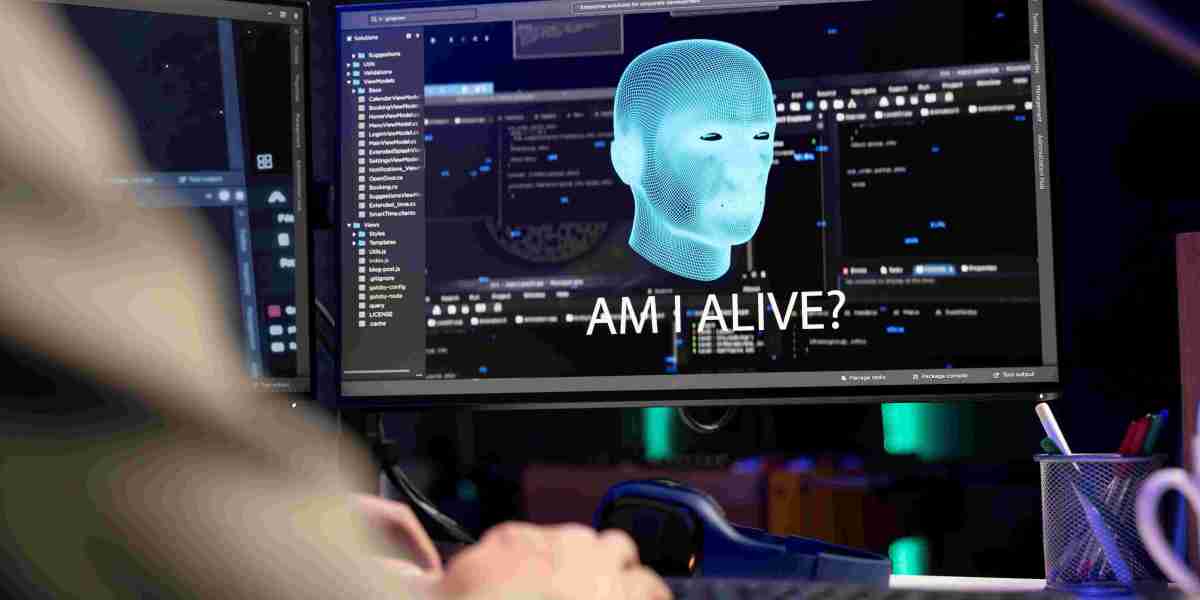
In today's rapidly evolving technological landscape, artificial intelligence has become a cornerstone of business innovation and competitive advantage. Companies worldwide are racing to integrate AI solutions into their operations, from machine learning models to natural language processing systems. However, finding the right talent to bring these ambitious projects to life can be challenging. This is where the decision to hire remote AI developers becomes a strategic imperative for organizations seeking swift, efficient, and cost-effective project delivery.
The Growing Demand for AI Expertise
The demand for artificial intelligence expertise has skyrocketed across industries. From healthcare and finance to retail and manufacturing, businesses are leveraging AI to automate processes, gain insights from data, and create innovative customer experiences. Traditional hiring methods often fall short in meeting this demand, as the talent pool for AI specialists remains limited in many local markets. By choosing to hire remote AI developers, companies can tap into a global reservoir of talent, accessing professionals with diverse skill sets and specialized experience that might not be available locally.
Why Remote AI Developers Accelerate Project Delivery
Remote AI developers offer several advantages that directly contribute to faster project completion. First, the ability to work across different time zones creates a continuous development cycle. While your in-house team rests, remote developers in different geographical locations can continue coding, testing, and refining AI models. This round-the-clock productivity significantly reduces project timelines.
Second, remote AI professionals often bring experience from multiple industries and projects. This diverse background enables them to identify solutions more quickly and avoid common pitfalls that might delay less experienced developers. When you hire remote AI developers with proven track records, you're essentially shortcutting the learning curve that often accompanies complex AI implementations.
Third, remote developers are typically accustomed to working independently and managing their time efficiently. The remote work culture emphasizes results and deliverables over presenteeism, which often translates to higher productivity and faster progress on critical project milestones.
Key Advantages of Hiring Remote AI Talent
Access to Specialized Skills: AI encompasses numerous subfields, including computer vision, natural language processing, reinforcement learning, and deep learning. Finding a local developer with expertise in your specific AI application can be nearly impossible. Remote hiring opens doors to specialists worldwide who have dedicated their careers to the exact technology stack your project requires.
Cost Efficiency: The decision to hire remote AI developers often results in significant cost savings without compromising quality. Different geographical regions offer varying salary expectations, and remote work eliminates expenses related to office space, equipment, and relocation packages. These savings can be redirected toward additional development resources or enhanced project features.
Scalability and Flexibility: Remote teams offer unparalleled scalability. Need to ramp up quickly for a product launch? Remote hiring enables you to expand your team rapidly without the constraints of physical office space or local talent availability. Similarly, you can scale down after project completion without the complications of laying off local employees.
Faster Recruitment Process: Traditional hiring for AI positions can take months, involving multiple interview rounds, negotiation periods, and notice period considerations. Remote recruitment platforms and the global nature of remote work have streamlined this process. Many platforms allow you to hire remote AI developers within weeks, complete with pre-vetted candidates and streamlined onboarding procedures.
Essential Qualities to Look for in Remote AI Developers
When evaluating candidates, technical proficiency is just the starting point. Look for developers with strong foundations in mathematics, statistics, and computer science. They should demonstrate expertise in popular AI frameworks like TensorFlow, PyTorch, or scikit-learn, along with programming languages such as Python, R, or Julia.
Equally important are soft skills that facilitate remote collaboration. Effective communication becomes paramount when team members work across distances. Your remote AI developers should articulate complex technical concepts clearly, participate actively in virtual meetings, and document their work comprehensively.
Problem-solving ability and adaptability are crucial traits. AI projects often encounter unexpected challenges, from data quality issues to model performance problems. Remote developers must diagnose and resolve these issues independently, without the immediate support structure of a physical office environment.
Best Practices for Managing Remote AI Development Teams
Successfully managing remote AI developers requires intentional strategies. Establish clear communication protocols using tools like Slack, Microsoft Teams, or Discord for daily interactions, and platforms like Zoom or Google Meet for regular video conferences. Regular check-ins help maintain alignment without micromanaging.
Define project milestones and deliverables with precision. When you hire remote AI developers, clarity around expectations prevents misunderstandings and keeps projects on track. Use project management tools like Jira, Asana, or Trello to track progress and maintain visibility across the team.
Foster a culture of documentation. In remote settings, comprehensive documentation becomes the institutional memory. Encourage developers to document code, model architectures, training procedures, and decision-making rationales. This practice not only facilitates knowledge transfer but also accelerates onboarding for future team members.
Invest in the right infrastructure. Cloud-based development environments, version control systems like Git, and collaborative coding platforms such as GitHub or GitLab are essential. Ensure your remote developers have access to necessary computational resources, whether through cloud services like AWS, Google Cloud, or Azure.
The Future of Remote AI Development
The trend toward remote work shows no signs of reversing, and AI development is particularly well-suited to distributed teams. As collaboration tools continue improving and remote work best practices mature, the advantages of hiring remote AI talent will only strengthen. Companies that embrace this model now position themselves at the forefront of innovation, able to assemble world-class AI teams regardless of geographical constraints.
The decision to hire remote AI developers is no longer just about filling positions—it's a strategic choice that can determine the speed and success of your AI initiatives. By accessing global talent, optimizing costs, and creating flexible team structures, organizations can accelerate their AI projects and bring transformative solutions to market faster than ever before.