
Introduction
The private airplane charter industry has seen significant growth over the past few decades, driven by the increasing demand for personalized travel experiences, greater flexibility, and the ability to access remote locations. This report aims to provide a detailed overview of private airplane charter services, including their benefits, types, operational dynamics, market trends, and considerations for potential users.
Understanding Private Airplane Charter
Private airplane charter refers to the rental of an entire aircraft for a specific flight or series of flights, as opposed to purchasing a ticket for a seat on a commercial airline. This service is typically utilized by business executives, celebrities, and affluent individuals seeking convenience, privacy, and efficiency in their travel.
Benefits of Private Airplane Charter
- Flexibility and Convenience: One of the primary advantages of chartering a private airplane is the ability to customize travel itineraries. Passengers can choose departure times, routes, and even destinations that may not be serviced by commercial airlines.
- Time Efficiency: Private charters allow travelers to bypass long security lines, boarding processes, and layovers, significantly reducing overall travel time. Additionally, many private airports have shorter wait times and less congestion.
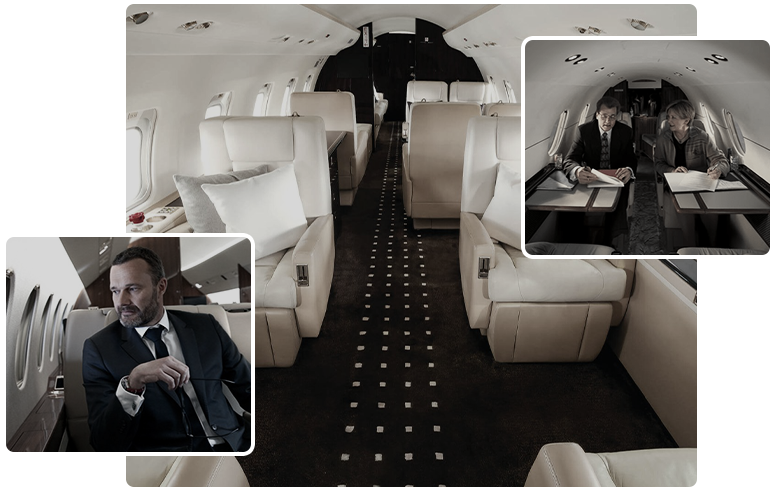
- Comfort and Privacy: Private jets offer a level of comfort and luxury that commercial airlines cannot match. Passengers can enjoy spacious cabins, personalized service, and the privacy to conduct business or relax without interruptions.
- Access to Remote Locations: Many private charters can land at smaller airports or airstrips that are not accessible to commercial flights, enabling travelers to reach their destinations more easily.
- Enhanced Safety and Security: Private aviation companies often adhere to stringent safety regulations, and travelers can enjoy a more controlled environment. Additionally, passengers can have a say in who is on board, ensuring a secure experience.
Types of Private Airplane Charters
- On-Demand Charters: These are traditional charter services where customers book flights as needed. They offer flexibility and can be arranged quickly, making them ideal for spontaneous travel.
- Jet Cards: This model allows customers to purchase a set number of flight hours in advance. If you adored this article and you want to receive details about private jets charter kindly check out the web-page. Jet card holders enjoy guaranteed availability and fixed hourly rates, making budgeting easier.
- Fractional Ownership: In this arrangement, individuals purchase a share of an aircraft, providing them access to a specific number of flight hours per year. This option combines the benefits of ownership with the flexibility of chartering.
- Private Membership Programs: Some companies offer membership plans that provide access to a fleet of aircraft for a monthly fee. Members can enjoy discounted rates and other perks.
Operational Dynamics of Private Airplane Charter
The operation of private jets charter company airplane charters involves several key players, including charter operators, aircraft management companies, and brokers.
- Charter Operators: These companies own or manage fleets of aircraft and are responsible for the logistics of flight operations, including maintenance, staffing, and regulatory compliance.
- Brokers: Charter brokers act as intermediaries between customers and operators, helping clients find the best aircraft for their needs, negotiating prices, and ensuring a smooth booking process.
- Regulatory Compliance: The private aviation industry is subject to regulations set by aviation authorities such as the Federal Aviation Administration (FAA) in the United States. Compliance with safety standards and operational protocols is paramount.
Market Trends
The private airplane charter industry has evolved in response to changing consumer preferences and technological advancements. Key trends include:
- Increased Demand Post-Pandemic: The COVID-19 pandemic accelerated the shift towards private travel as individuals sought safer alternatives to commercial flying. Many new entrants have joined the market, increasing competition.
- Sustainability Initiatives: As environmental concerns grow, private aviation companies are exploring sustainable practices, including the use of sustainable aviation fuel (SAF) and carbon offset programs.
- Technological Innovations: Advancements in technology have improved the booking process and customer experience. Mobile apps and online platforms now allow for seamless reservations, real-time tracking, and enhanced communication.
- Changing Demographics: The demographic of private aviation users is expanding, with younger travelers and entrepreneurs increasingly utilizing charter services for both business and leisure travel.
Considerations for Potential Users
While private airplane charters offer numerous advantages, potential users should consider several factors before booking:
- Cost: Private charters can be significantly more expensive than commercial flights. Users should evaluate their budget and consider the value of time saved and convenience offered.
- Aircraft Selection: Different aircraft types offer varying levels of comfort, range, and amenities. It is essential to choose an aircraft that meets the specific needs of the trip.
- Reputation of Charter Operators: Researching the safety records, customer reviews, and certifications of charter operators is crucial to ensuring a reliable and safe experience.
- Hidden Fees: Users should be aware of potential additional costs, such as landing fees, fuel surcharges, and catering services, which can impact the overall price of the charter.
- Regulatory Compliance: Understanding the regulatory landscape and ensuring that the chosen operator complies with all safety and operational standards is vital for a secure travel experience.
Conclusion
The private airplane charter industry presents a compelling alternative to commercial air travel, offering flexibility, comfort, and convenience. As the market continues to evolve, driven by technological advancements and changing consumer preferences, it is essential for potential users to conduct thorough research and understand the dynamics of the industry. By weighing the benefits against costs and considering operational factors, travelers can make informed decisions that enhance their travel experiences.